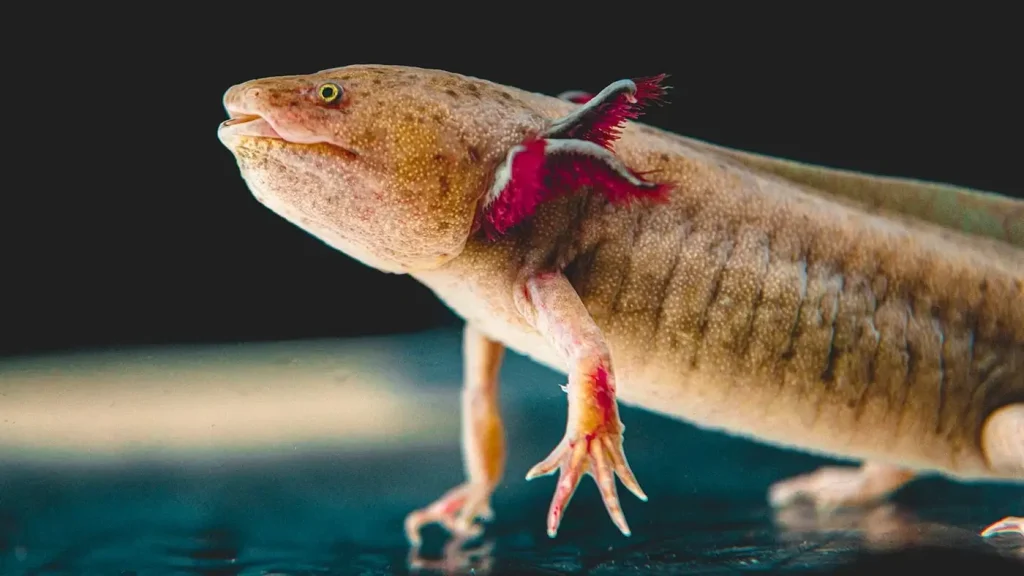
Imagine losing a limb and having the ability to grow it back, complete with bones, muscles, nerves and skin. For humans, this remains beyond the capabilities of modern medicine. But for one extraordinary amphibian, regeneration is a natural part of life.
Meet the axolotl, a fascinating aquatic salamander that has captured the attention of scientists worldwide.
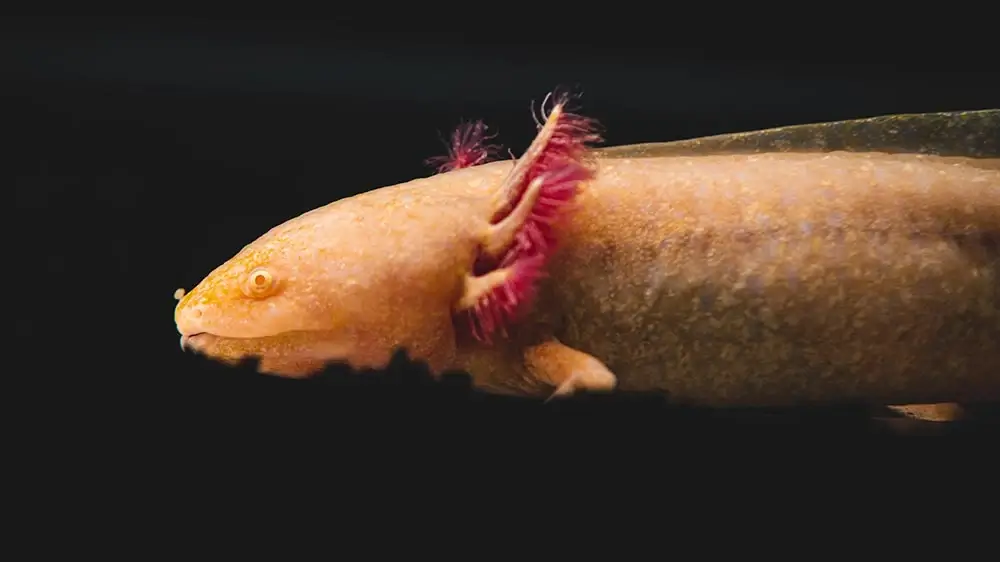
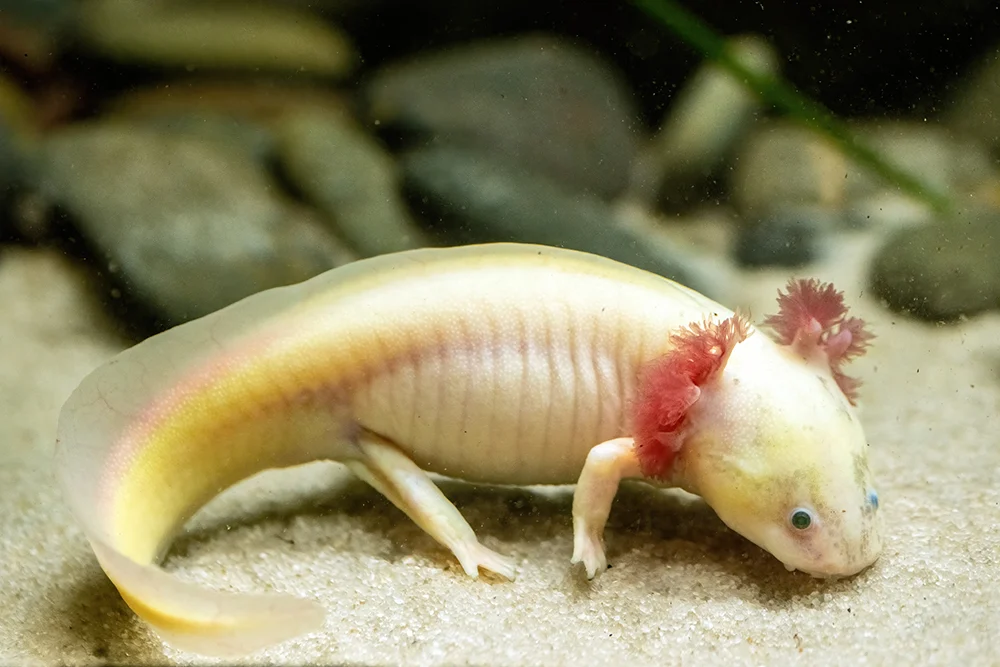
Known for its feathery external gills, permanently aquatic lifestyle, and almost smiling appearance, the axolotl possesses one of the most remarkable regenerative abilities in the animal kingdom.
But how do axolotls regenerate their body parts, and what can their abilities teach us about human healing?
At Axolotl UK, we believe these incredible animals deserve recognition not only as unusual aquarium pets but also for their important contributions to scientific research.
In this article, we’ll explore the science behind axolotl regeneration, the discoveries researchers have made and why this remarkable amphibian may help shape the future of regenerative medicine.
What Makes Axolotls So Special?

8
The axolotl (Ambystoma mexicanum) is a species of salamander native to the freshwater lake system around Mexico City, particularly the surviving waterways of Xochimilco.
Unlike many amphibians that undergo metamorphosis and eventually live on land, axolotls normally retain their juvenile aquatic characteristics throughout adulthood.
This biological phenomenon is known as neoteny.
Axolotls retain their external gills, tail fins and aquatic lifestyle while still becoming capable of reproduction.
However, what truly sets them apart is their extraordinary ability to regenerate complex body structures after injury.
Scientists have studied axolotls for generations because their regenerative abilities offer valuable insights into how cells repair, replace and rebuild damaged tissues.
What Body Parts Can an Axolotl Regenerate?
Axolotls can regenerate much more than a simple wound.
Under suitable conditions, they can rebuild several complex structures that most adult mammals cannot replace naturally.
These include:
-
Limbs: Axolotls can regrow lost legs, including bones, muscles, nerves, blood vessels and skin.
-
Tail: They can regenerate damaged or missing portions of their tails, including associated tissues.
-
Spinal cord: Axolotls can regenerate certain damaged spinal cord structures.
-
Heart tissue: They possess regenerative abilities that allow repair of certain forms of heart injury.
-
Brain tissue: Research has demonstrated regeneration in specific injured brain regions.
-
Skin: Axolotls can repair skin injuries with relatively limited scarring compared with many mammals.
These abilities do not mean that axolotls are indestructible. Severe injuries, infections and unsuitable living conditions can still cause permanent harm or death.
Their remarkable regeneration is a biological adaptation, not a guarantee of survival.
How Do Axolotls Regrow Their Limbs?
One of the most fascinating questions in regenerative biology is how an axolotl can regrow an entire limb after losing it.
The process involves a carefully coordinated series of cellular events.
The stages of axolotl limb regeneration
Conceptual illustration of the regeneration process; not to scale.
-
Wound healing: Skin cells move to cover the injury, forming a specialised wound epidermis.
-
Blastema formation: Cells near the injury contribute to a growing collection of regeneration-associated cells called a blastema.
-
Cell growth and patterning: Cells multiply and respond to molecular signals that help determine which structures need rebuilding.
-
Tissue reconstruction: Bones, muscles, nerves, connective tissues and skin develop into a functioning replacement limb.
The most extraordinary part of this process is that the regenerated limb can closely resemble the original in both structure and function.
Depending on the animal’s age, health, temperature and the extent of the injury, regeneration may take weeks to months.
What Is a Blastema, and Why Is It Important?
The blastema is one of the most important features of axolotl regeneration.
It is a collection of cells that forms near the site of an injury and contributes to rebuilding missing tissues.
During limb regeneration, cells from surrounding tissues respond to injury signals and participate in a coordinated repair programme.
Some cells temporarily change their state, while others retain important information about the tissues from which they originated.
These cells are not simply an unlimited collection of identical stem cells. They have different developmental capacities and respond to signals from neighbouring tissues.
Researchers study blastema formation because understanding how it works could reveal why adult humans cannot regenerate entire limbs.
The challenge is identifying which cellular mechanisms might eventually be applied safely in human medicine.
Why Can’t Humans Regenerate Like Axolotls?
Humans have some regenerative abilities.
For example, our skin continually replaces cells, the liver can restore lost tissue mass, and bones can repair many fractures.
However, when humans lose a limb, the body generally closes the wound and forms scar tissue rather than rebuilding the missing structure.
Axolotls respond differently.
Their cells can coordinate extensive tissue regeneration while preserving information about where new structures should form.
Scientists are investigating several differences between axolotl and mammalian healing, including immune responses, cellular signalling, gene regulation and scar formation.
Importantly, researchers have not identified a single regeneration gene that could simply be activated to give humans the same abilities.
Regeneration involves a complex network of biological processes.
The Axolotl Genome: A Giant Genetic Puzzle
One of the biggest breakthroughs in axolotl research came when scientists assembled and analysed the axolotl genome.
The axolotl has an exceptionally large genome, approximately 32 billion DNA base pairs in its haploid genome, roughly ten times the size of the human genome.
This enormous genome presented a major technical challenge for researchers.
In 2018, scientists published a landmark axolotl genome assembly, providing valuable information about genes and regulatory processes associated with regeneration and development.
The genome has since become an important resource for studying the molecular mechanisms that help axolotls rebuild damaged tissues.
Understanding these mechanisms may eventually contribute to advances in regenerative biology, although practical human treatments remain a much more distant goal.
How Axolotls Are Helping Scientists Study Human Medicine
Axolotl research has applications across several areas of biomedical science.
1. Spinal cord injury research
Spinal cord injuries can cause severe and lasting disability in humans.
Axolotls are valuable research models because they can regenerate certain spinal cord tissues after injury.
Scientists investigate how their nerve cells, supporting cells and surrounding tissues respond during regeneration.
The long-term aim is to identify biological pathways that could inform new approaches to repairing nervous system damage.
However, this research has not yet produced a treatment that allows humans to regenerate a damaged spinal cord like an axolotl.
2. Heart tissue regeneration
Human hearts have limited capacity to replace damaged heart muscle following a major injury.
Axolotls can regenerate certain damaged heart tissues, making them useful models for studying cardiac repair.
Researchers are investigating how heart cells respond to injury and what signals coordinate tissue reconstruction.
These findings may contribute to future research into heart disease and tissue engineering.
3. Scar-free wound healing
Scar formation is an important part of human wound healing, but excessive scarring can interfere with normal tissue function.
Axolotls can repair many injuries with comparatively little permanent scarring.
Scientists hope that understanding their immune responses and tissue-remodelling mechanisms could provide clues for improving wound healing.
4. Brain regeneration
Research has shown that axolotls can regenerate certain damaged brain tissues.
Studies using modern cellular analysis techniques have helped researchers examine how new cells develop and organise during this process.
These discoveries are particularly interesting to scientists studying neurological injury and the limitations of regeneration in mammals.
Can Axolotl Regeneration Help Humans Regrow Limbs?
This is perhaps the most exciting question surrounding axolotl research.
The possibility of helping humans regenerate complex tissues has attracted significant scientific interest.
However, it is important to separate established scientific discoveries from future possibilities.
Researchers have demonstrated that axolotls can regenerate limbs and other structures. They have also identified numerous cellular and molecular processes involved in regeneration.
What scientists have not yet achieved is a reliable medical technique that allows humans to regrow an entire lost arm or leg.
There are major challenges to overcome, including controlling cell growth, recreating complex anatomical structures, reconnecting nerves and blood vessels, and ensuring that any treatment is safe.
Axolotls provide a powerful research model, but translating their biology into human treatments will require substantial additional research.
Do All Axolotls Have the Same Regenerative Abilities?

7
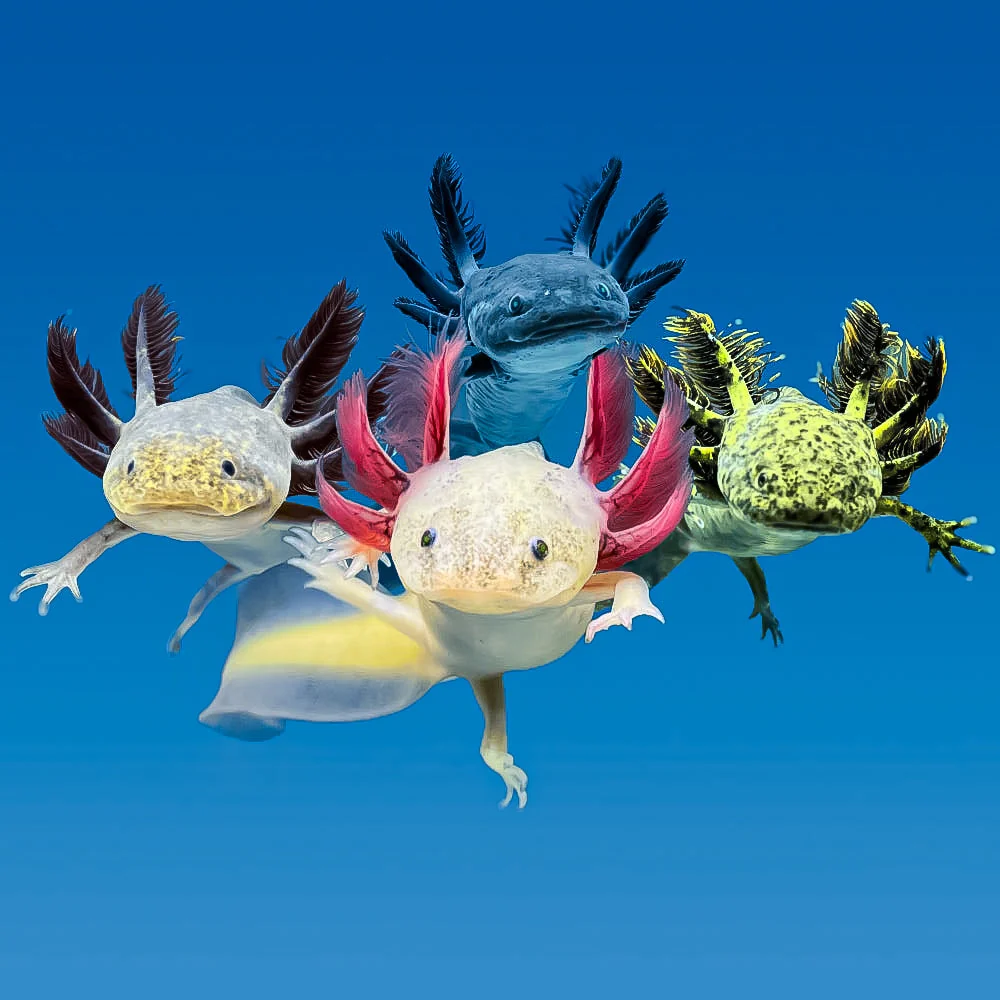
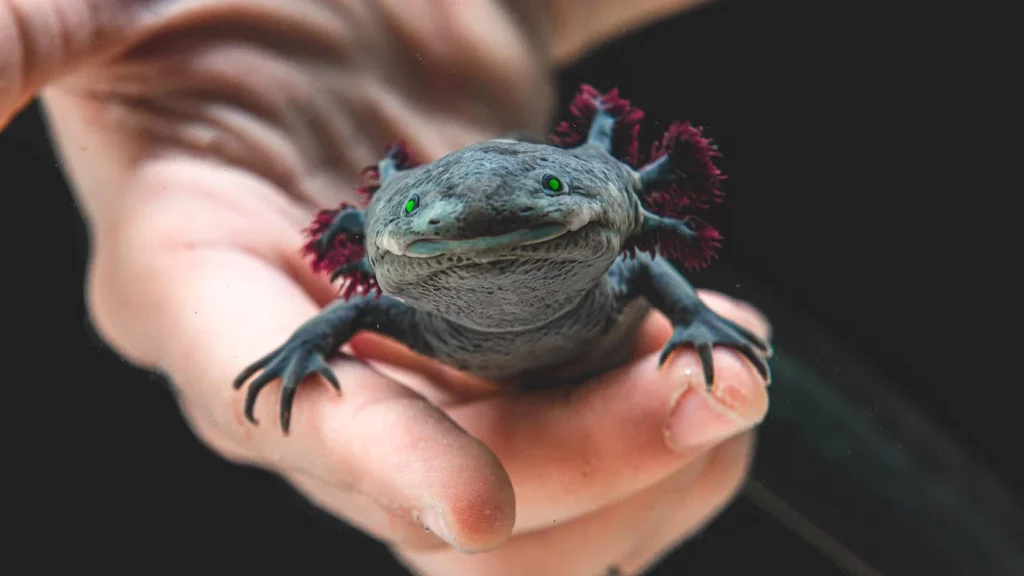
Axolotls are available in several different colour morphs, including leucistic, wild-type, golden albino, melanoid and white albino.
These morphs belong to the same species and share the species’ characteristic regenerative capabilities.
There is no good evidence that common colour morphs such as pink leucistic or dark melanoid axolotls are inherently superior at regeneration simply because of their colour.
However, regeneration can be influenced by age, genetics, injury severity and environmental conditions.
Younger axolotls may regenerate certain structures more quickly than older individuals, although regeneration remains possible throughout much of their lives.
For anyone researching an axolotl for sale UK, it’s important to understand that regeneration does not eliminate the need for proper care.
Injuries should always be prevented wherever possible.
Can Axolotls Regenerate Forever?
Axolotls can regenerate certain body structures repeatedly, but their regenerative abilities are not unlimited.
Repeated injuries, ageing, health conditions and the severity or location of tissue damage can influence regeneration outcomes.
In some circumstances, regenerated structures may develop abnormalities or fail to recover fully.
An axolotl should never be deliberately injured to test its regenerative abilities.
These animals are capable of experiencing harmful stimuli and require appropriate welfare protections.
Their ability to regenerate should be admired and studied responsibly, not treated as a reason to expose them to unnecessary injury.
Why Are Wild Axolotls Endangered?
Despite their scientific importance and popularity in aquariums, wild axolotls face a serious conservation crisis.
The species is classified as Critically Endangered on the IUCN Red List.
Its natural habitat has been severely affected by urban development, water pollution, habitat degradation and invasive fish species.
Wild populations are now restricted to a small portion of their historical habitat in the Xochimilco canal system.
This creates an important contrast: axolotls are widely bred in captivity, yet their wild populations remain at severe risk.
Captive-bred axolotls are not automatically suitable for release into the wild. Conservation programmes require careful attention to genetics, disease prevention and habitat restoration.
Protecting wild axolotls means protecting the ecosystems they depend on.
Keeping Axolotls as Pets in the UK
For aquarium enthusiasts, axolotls offer an opportunity to observe one of nature’s most remarkable amphibians.
However, their unusual biology does not make them easy or maintenance-free pets.
At Axolotl UK, we encourage prospective owners to learn about axolotl care before choosing an animal.
If you’re considering an axolotl for sale UK, make sure you understand its specialised requirements.
| Care requirement |
Recommendation |
| Water temperature |
Ideally around 16–18°C |
| Aquarium |
Approximately 100 litres or more for one adult, with generous floor space |
| Diet |
Earthworms and suitable axolotl pellets |
| Water quality |
Fully cycled aquarium; zero ammonia and nitrite |
| Substrate |
Bare bottom or suitable fine sand |
| Handling |
Avoid unnecessary handling |
| Lifespan |
Commonly 10–15 years with proper care |
Whether you’re looking for axolotls for sale, researching where to buy axolotl UK, or planning to purchase an axolotl, choosing a responsible captive breeder is essential.
A healthy axolotl needs stable water conditions, appropriate nutrition and a safe environment.
Frequently Asked Questions About Axolotl Regeneration
Can axolotls regrow their legs?
Yes. Axolotls can regenerate lost limbs, including the bones, muscles, nerves and other tissues needed to form a functional replacement.
How long does it take an axolotl to regrow a leg?
Regeneration may take several weeks to months, depending on the axolotl’s age, health, environmental conditions and the extent of the injury.
Can axolotls regenerate their brains?
Axolotls can regenerate certain damaged brain tissues. However, this does not mean they can replace an entire brain or survive every type of severe brain injury.
Can an axolotl regenerate its heart?
Axolotls can regenerate certain damaged heart tissues, making them valuable models for studying cardiac repair.
Do axolotls feel pain when injured?
Axolotls possess nervous systems that detect harmful stimuli and should be treated as capable of experiencing pain and distress. Their regenerative abilities do not make injuries harmless.
Why do scientists study axolotls?
Scientists study axolotls to understand tissue regeneration, wound healing, embryonic development, gene regulation and cellular responses to injury.
Can axolotl DNA help humans regenerate limbs?
Studying axolotl DNA may reveal biological mechanisms relevant to human regenerative medicine. However, there is currently no established treatment that uses axolotl DNA to make humans regrow entire limbs.
Are axolotls endangered in the UK?
Axolotls are not native to the UK. Their wild populations in Mexico are Critically Endangered, although captive-bred animals are kept by hobbyists and research institutions internationally.
Final Thoughts: Why Axolotls Matter to Science
The axolotl is much more than an unusual aquarium animal. What Are the Best Axolotl Breeds for Beginners
Its extraordinary ability to regenerate limbs, repair complex tissues and recover from certain injuries has made it one of the most important organisms in regenerative biology.
By studying how axolotls rebuild damaged body parts, scientists are gaining a deeper understanding of the cellular mechanisms involved in tissue repair.
Although human limb regeneration remains a future scientific ambition rather than an available medical treatment, axolotl research continues to reveal valuable information about healing and development.
At Axolotl UK, we believe learning about these remarkable amphibians is part of appreciating their true value. axolotl for sale UK
Whether you’re interested in their biology, conservation or responsible aquarium care, axolotls offer a fascinating example of what makes the natural world so extraordinary.