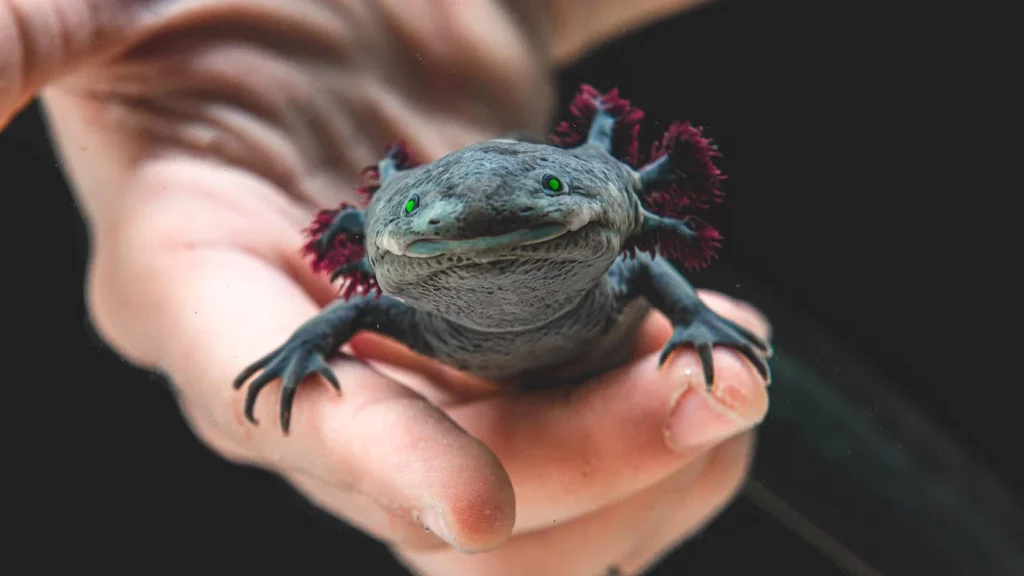
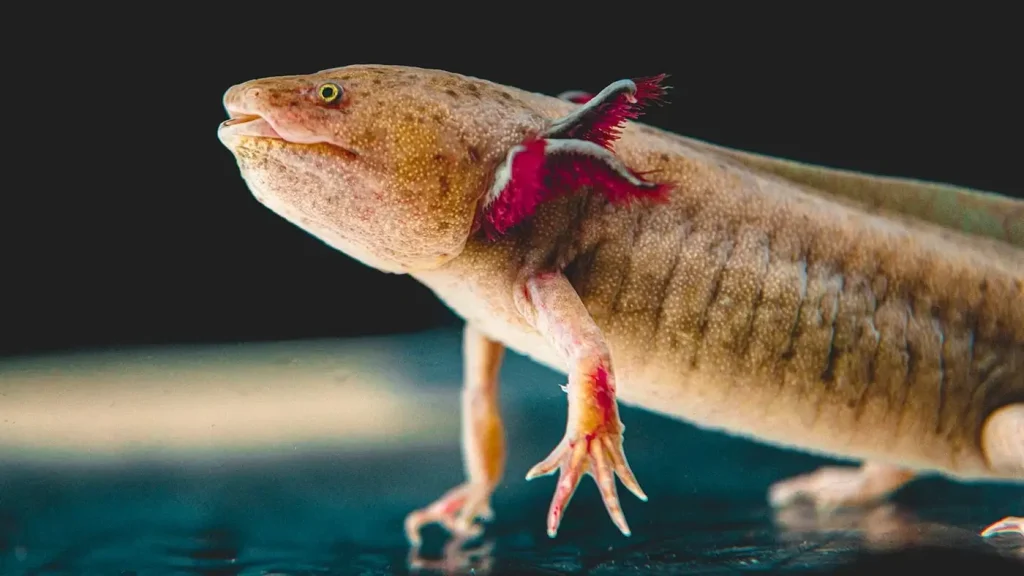
Axolotls are some of the most fascinating aquatic pets you can keep. With their adorable faces, feathery gills and curious personalities, it’s easy to understand why so many people want to interact with them.
But one question frequently asked by new owners is: Do axolotls like to be touched?
The simple answer is no; axolotls generally do not enjoy being touched or handled. Unlike dogs, cats or some other pets, axolotls are delicate aquatic amphibians that are best admired without physical contact.
Although an axolotl may swim towards your hand or appear comfortable when you’re nearby, this doesn’t necessarily mean it enjoys being petted.
At Axolotl UK, we believe understanding your pet’s natural behaviour is one of the most important parts of responsible axolotl ownership.
In this guide, we’ll explain why axolotls should not be touched unnecessarily, whether they recognise their owners, how to interact with them safely and what beginners should know before bringing one home.
Do Axolotls Enjoy Being Petted?

6
Unlike mammals that may seek physical affection, axolotls are not known to enjoy petting.
Their bodies are specially adapted for living underwater, and their skin is extremely sensitive.
Axolotls also have a protective mucus coating that helps protect their skin from irritation and potentially harmful microorganisms.
When you touch an axolotl, especially with dry hands, you risk disturbing this protective layer.
Even gentle petting can cause unnecessary stress or accidental injury.
For this reason, experienced axolotl keepers generally recommend avoiding direct contact unless it is necessary.
The best way to show affection to your axolotl is by providing a safe, comfortable aquarium rather than attempting to pet it.
Why Shouldn’t You Touch an Axolotl?
There are several important reasons why handling axolotls should be kept to a minimum.
1. Axolotls have delicate skin
An axolotl’s skin is much more delicate than that of most household pets.
Unlike reptiles with protective scales, axolotls for sale have soft, permeable skin that can absorb substances from their surroundings.
This means substances on your hands, including soap residue, lotions and cleaning products, may cause irritation or harm.
Even clean-looking hands can carry substances that are unsuitable for amphibians.
2. Touching can damage their protective mucus layer
Axolotls have a thin mucus coating that plays an important role in protecting their skin.
Repeated rubbing or unnecessary handling can interfere with this layer and increase the risk of skin damage.
Although a single brief accidental touch does not necessarily cause an injury, regular petting is not recommended.
3. Handling may cause stress
Axolotls are primarily solitary aquatic animals.
They do not naturally seek physical affection from humans.
When removed from their usual environment or restrained, they may become stressed and attempt to escape.
Sudden movements during handling can also result in accidental injuries.
4. Their gills are extremely sensitive
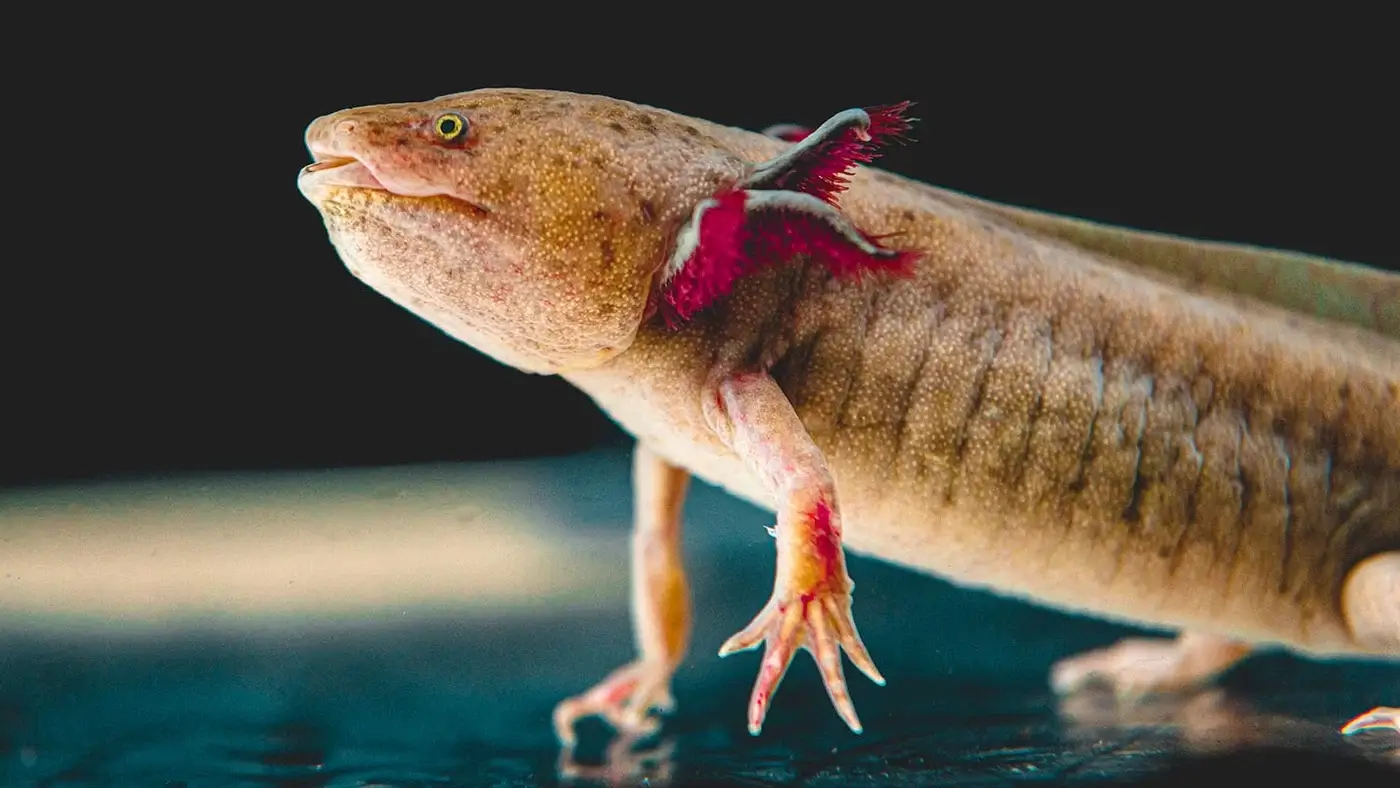
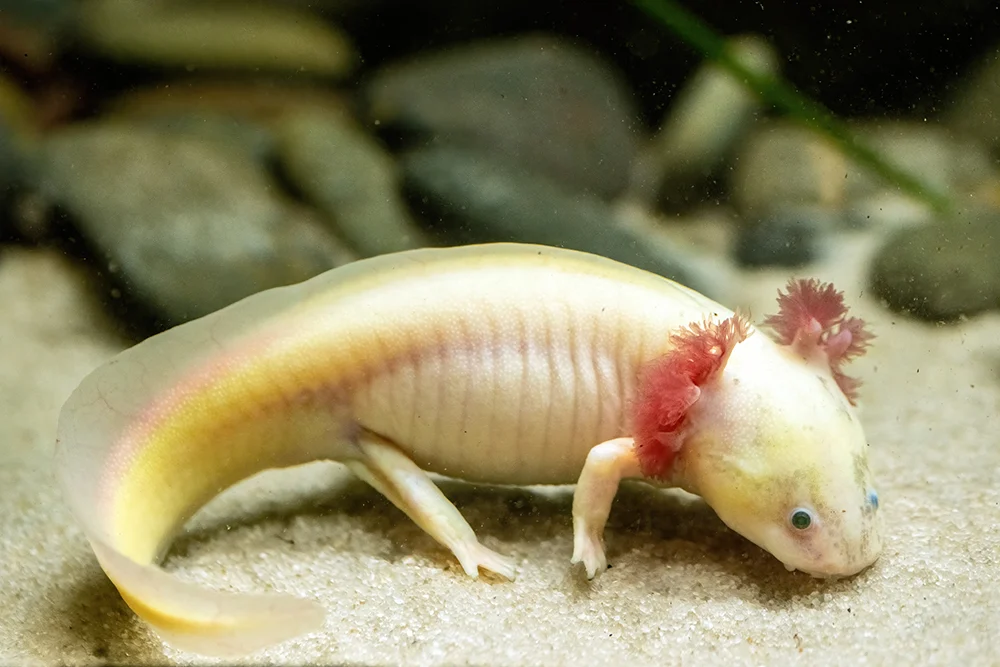
One of the most recognisable features of an axolotl is its beautiful external gills.
These feathery structures help the animal extract oxygen from the water.
Because the gills are delicate, touching or rubbing them can cause physical damage.
Never attempt to stroke, hold or pull an axolotl by its gills.
5. Axolotls can be injured when lifted
Axolotls have slippery bodies and can move suddenly when frightened.
If you attempt to lift one out of the water, it may wriggle unexpectedly, increasing the risk of being dropped.
Their limbs and tail can also be injured through improper handling.
For these reasons, transferring an axolotl using an appropriate water-filled container is generally safer than picking it up directly.
Can Axolotls Recognise Their Owners?
One of the most interesting things about axolotls is their ability to respond to familiar routines.
Many owners notice that their axolotls become more active when someone approaches the aquarium.
Some may swim towards the front glass, follow movement or approach their usual feeding area.
However, does this mean axolotls recognise their owners?
Axolotls can learn to associate certain movements, environmental cues and feeding routines with food.
An axolotl that approaches you may simply have learned that your presence means feeding time.
There is limited scientific evidence that axolotls recognise individual people in the same way that dogs or other social animals do.
Nevertheless, observing their responses can be one of the most enjoyable parts of keeping them.
Do Axolotls Like Human Interaction?
Axolotls can respond to human activity, but that is different from actively enjoying human attention.
They are generally most comfortable in a peaceful, predictable environment.
Some axolotls may approach the glass when you walk past, while others prefer remaining in their hiding places.
Both behaviours can be normal.
An axolotl that spends much of the day resting is not necessarily unhappy or bored.
Unlike social mammals, axolotls do not need regular human interaction to maintain their wellbeing.
Their priorities are appropriate water conditions, suitable food, shelter and freedom from unnecessary disturbances.
How to Interact With Your Axolotl Without Touching It

7
You can still enjoy a rewarding relationship with your axolotl without physically handling it.
Here are several safe ways to interact with your aquatic pet.
1. Observe its natural behaviour
Axolotls are fascinating animals to watch.
You may notice them exploring the aquarium floor, resting in hiding places or slowly swimming around their environment.
Watching these behaviours is a great way to understand your pet’s individual habits.
2. Establish a consistent feeding routine
A predictable feeding routine can help your axolotl become accustomed to activity around the aquarium.
Many owners use feeding tongs to offer suitable food such as earthworms.
Use smooth, aquarium-safe tongs carefully to avoid accidental injury, and never force an axolotl to eat.
3. Provide hiding places
Axolotls appreciate secure areas where they can retreat from light and activity.
Smooth aquarium caves, appropriate shelters and suitable aquatic plants can help create a comfortable environment.
Providing more than one hiding area also gives your axolotl different places to rest.
4. Keep aquarium lighting gentle
Axolotls do not have eyelids and generally prefer subdued lighting.
Avoid exposing them to intense aquarium lights for long periods.
If you want to observe your axolotl, use gentle lighting and ensure shaded areas are always available.
5. Maintain excellent water quality
Good aquarium care is one of the most meaningful ways to support your axolotl’s wellbeing.
Monitor water temperature, ammonia, nitrite and nitrate levels regularly.
A stable, fully cycled aquarium is far more important to an axolotl than physical attention.
Can You Hold an Axolotl in Your Hand?
Although it is physically possible to hold an axolotl, routine hand-holding is not recommended.
There may be situations where an axolotl needs to be moved, such as during a veterinary examination or an aquarium emergency.
Whenever possible, use a clean, smooth, aquarium-safe container containing suitable water to transfer the animal.
If direct handling is unavoidable, follow advice from an amphibian-experienced veterinarian. Minimise handling time, support the entire body and avoid contact with the gills.
Never lift an axolotl out of the aquarium simply to take photographs or show it to visitors.
What Happens if You Touch an Axolotl?
Accidentally touching an axolotl once does not automatically mean it will become sick or injured.
The level of risk depends on several factors, including how the animal was touched, whether harmful substances were present and whether the contact caused physical damage.
However, repeated or rough handling increases the chance of injury.
If your axolotl has been touched or handled, observe it for unusual changes such as:
-
Visible skin irritation or injuries
-
-
Persistent frantic swimming or attempts to escape
-
-
Abnormal floating or difficulty maintaining balance
-
Significant changes in normal activity
These signs can have several causes, including poor water conditions or illness, and do not necessarily mean handling was responsible.
If your axolotl develops concerning symptoms, check water parameters promptly and seek advice from a veterinarian experienced with amphibians.
Do Axolotls Bite When You Touch Them?
Axolotls can occasionally snap at fingers, particularly when they mistake food movement.
They feed using a rapid suction mechanism, drawing prey into their mouths.
Their teeth are small and designed mainly for gripping rather than chewing.
A bite from an axolotl is generally not considered dangerous to a healthy adult, although minor skin injuries are possible.
However, you should never deliberately encourage your axolotl to bite your fingers.
Hand-feeding can also expose the animal to unwanted substances from your skin.
Using appropriate feeding tongs is generally a safer and more hygienic option.
Do Axolotls Get Lonely Without Human Attention?
No convincing evidence suggests that axolotls require human companionship or regular physical interaction.
Axolotls are generally solitary animals and can live successfully on their own.
In fact, keeping multiple axolotls together can introduce additional challenges, including accidental biting, competition for food and unwanted breeding.
For beginners, keeping a single axolotl in a properly maintained aquarium is often the simplest and safest arrangement.
Your axolotl does not need to be petted or cuddled to have a good quality of life.
Are Axolotls Good Pets for Beginners?
Axolotls can be rewarding pets for beginners who are prepared to meet their specialised care requirements.
However, they are not ideal for someone looking for an animal that enjoys being held or stroked.
Before purchasing an axolotl, consider whether you can provide the following:
| Requirement |
What beginners should know |
| Water temperature |
Ideally around 16–18°C |
| Aquarium size |
Approximately 100 litres or more for one adult, with ample floor space |
| Filtration |
Fully cycled filtration with gentle water movement |
| Diet |
Suitable carnivorous foods, including earthworms |
| Handling |
Avoid unnecessary touching |
| Lifespan |
Commonly 10–15 years with proper care |
| Lighting |
Subdued lighting and shaded hiding places |
Axolotls require consistent care, and their aquarium temperatures can be particularly challenging to maintain during warm UK summers.
A suitable aquarium chiller may be necessary.
Where to Buy an Axolotl in the UK
If you’ve decided that an axolotl is the right pet for you, the next step is finding a responsible breeder or specialist aquatic retailer.
When searching for an axolotl for sale UK, it’s important to look beyond the animal’s appearance.
A reputable seller should be able to explain the axolotl’s feeding habits, approximate age, current water conditions and health history.
At Axolotl UK, we aim to help new owners understand what responsible axolotl ownership involves before they make a purchase.
Whether you’re researching an axolotl for sale, comparing different axolotls for sale, or trying to discover where to buy axolotl UK, preparation should always come first.
Before you buy an axolotl, make sure your aquarium is fully cycled and ready to maintain suitable water conditions.
If you’re planning to purchase an axolotl, choose a healthy captive-bred animal from a reputable source rather than selecting one purely because of its colour or price.
You should also check any applicable UK animal welfare, sales and licensing requirements.
Frequently Asked Questions About Touching Axolotls
Do axolotls like being stroked?
No. Axolotls are not known to enjoy being stroked. Their delicate skin and protective mucus coating make unnecessary touching inadvisable.
Can I pet my axolotl underwater?
It is best not to. Keeping your hand underwater does not eliminate the risk of transferring unwanted substances or damaging the axolotl’s skin.
Do axolotls like their heads being rubbed?
There is no reliable evidence that axolotls enjoy having their heads rubbed. Avoid touching their heads, gills or bodies unless necessary for their care.
Why does my axolotl swim towards my hand?
Your axolotl may associate your hand with food or respond to movement in the aquarium. This does not necessarily mean it wants to be touched.
Can axolotls feel pain?
Yes. Axolotls have nervous systems capable of detecting harmful stimuli, and they should be treated as animals capable of experiencing pain and distress.
Do axolotls show affection?
Axolotls may learn familiar feeding routines and respond to their environment, but there is no strong evidence that they show affection towards humans in the way social mammals do.
Is it safe for children to touch axolotls?
Children should be encouraged to observe axolotls rather than handle them. Adult supervision is important during feeding and aquarium maintenance.
Can touching an axolotl kill it?
A brief accidental touch is unlikely to be fatal on its own. However, rough handling, chemical contamination, serious injury or prolonged exposure to unsuitable conditions can cause severe harm.
Final Thoughts: Should You Touch Your Axolotl?
So, do axolotls like to be touched?
The answer is that axolotls are not known to enjoy petting, and unnecessary handling should be avoided.
Although their charming appearance may make them look like animals that would enjoy affection, their needs are very different from those of traditional household pets.
The best way to care for an axolotl is to provide clean, cool water, nutritious food, comfortable hiding places and a peaceful aquarium.
At Axolotl UK, we encourage prospective owners to learn about these fascinating amphibians before bringing one home.
If you’re considering your first axolotl, understanding its behaviour and natural needs will help you become a more responsible and confident keeper.